Packaging trends for 2025 – The growing role of vacuum metallization in premium design
The packaging industry is undergoing constant change, and 2025 is shaping up to be an especially dynamic year. Consumer expectations continue to rise, and manufacturers face the dual challenge of combining sustainability with high-end visual appeal. In this environment, vacuum metallization plays a key role – particularly in connection with certain colour trends.
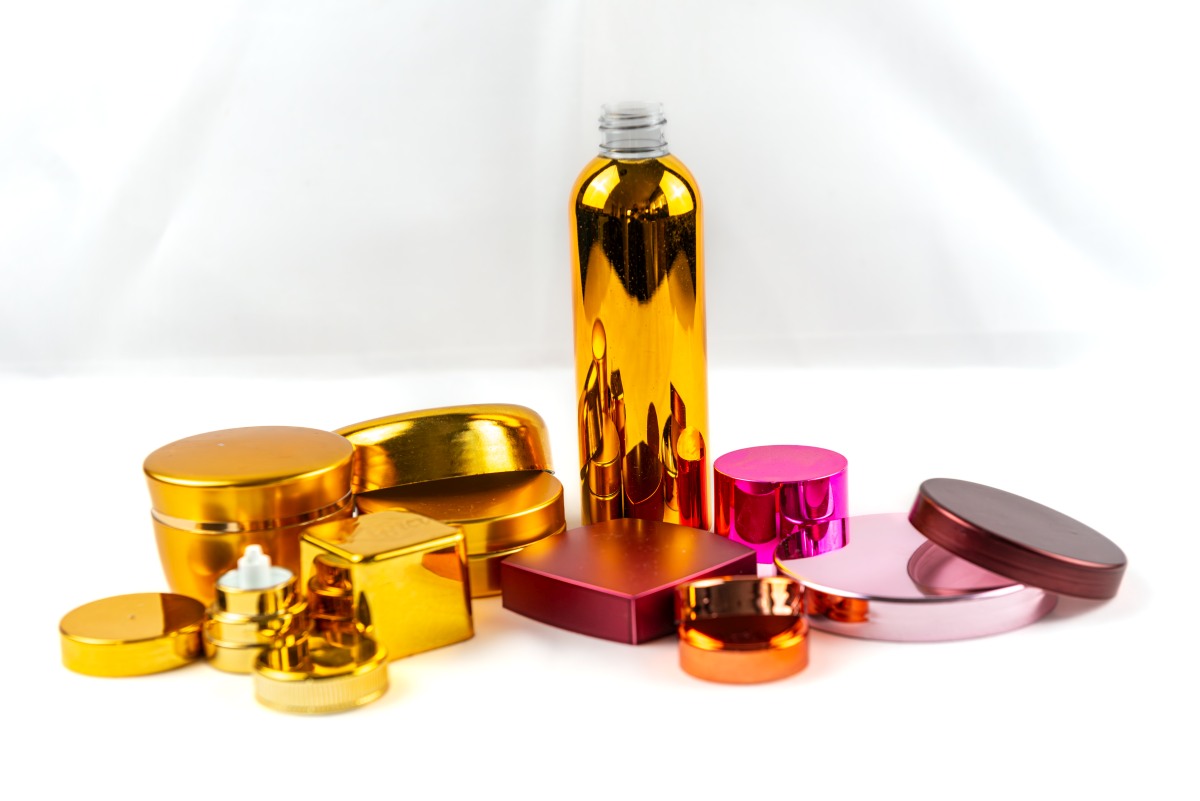
The renaissance of metallization
Vacuum metallization is a decorative process in which a thin metallic layer – most often aluminium – is deposited onto plastic surfaces inside a vacuum chamber. The result is a glossy or matt metallic finish that looks premium yet remains lightweight and economical.
Why is this technology gaining renewed attention?Because the market is trying to satisfy two seemingly opposing needs: sustainability – through lighter packaging and reduced material use – and premium appearance, which is essential for luxury and wellness products. Metallization meets both expectations.
Colour trends for 2025: Matt surfaces and noble shades
A clear trend has emerged in recent years and continues to dominate 2025:
matt metallic finishes and warm gold tones, especially the ongoing rise of Rose Gold. Matt metallic surfaces
High-gloss chrome-effect finishes are steadily giving way to refined, matt surfaces. This shift is driven by several factors:
- More modern visual effect: matt finishes appear more sophisticated and mature
- Practical benefits: fingerprints and micro-scratches are far less visible
- Premium perception: matt metallic surfaces now represent luxury and elegance
Matt metallization has become particularly prominent in the cosmetics and fragrance industries, where refinement and minimalist design are key expectations.
Gold shades: Classic Gold and Rose Gold on the rise
Two tones dominate the metallization palette in 2025:
Classic Gold: warm, rich gold remains a symbol of luxury and premium quality. Common in premium beverage packaging and cosmetics.
Rose Gold: the rose-coloured gold shade has achieved exceptional popularity and continues its momentum in 2025. It offers:
- a fresher and more youthful impression than traditional gold
- a perfect match for women’s cosmetics and perfume packaging
- a balance of modernity and elegance
Technological advantages: Why choose metallization?
Cost-efficiency and versatilityVacuum metallization offers an economical alternative to real metal components:
- significantly reduced material cost
- lighter packaging, resulting in lower shipping cost
- fast production cycles for large volumes
Combined technologiesModern metallization can be easily combined with other decorative methods:
- Screen printing: branding, logos, product information
- Pad printing: fine details and graphics
- Hot stamping: additional premium tactile effects
These combinations allow brands to create multi-layered, distinctive product appearances.
Sustainability aspectsAlthough known mainly for its aesthetic value, metallization offers several sustainability advantages:
- very low material usage (only a few microns)
- lightweight solutions – reduced fuel use in transport
- compatible with recyclable substrates
Industrial applications: Where is metallization used?
Cosmetics and fragrancesPackaging is a key element of brand identity in these sectors:
- perfume bottle caps – often matt Rose Gold
- cosmetic jar lids and closures
- outer shells of make-up products
Pharmaceuticals and nutritionThis is the more relevant sector for vacuum metallization compared to food printing or foils:
- vitamin bottles and supplement jars
- sports nutrition containers and shaker caps
- OTC (over-the-counter) product closures
Other sectors- electronics decorative components
- automotive interior trim
- furniture accessories and handles
- seasonal decorations and gift items
Additional packaging trends for 2025
Personalisation and small-batch productionThe flexibility of metallization supports smaller production runs, which aligns with the growing demand for personalised products.
Interactive surfacesContrasts between matt and glossy zones, as well as multi-tone metallic combinations, create engaging visual and tactile experiences.
Eco-friendly coatings and primersUV-curable lacquers are becoming more environmentally conscious while offering improved mechanical and chemical resistance – especially important for perfume packaging.